
Private vs Group Dance Classes: Which is Better
Dance is one of the most rewarding skills you can learn—whether you’re a child starting ballet, a teenager exploring hip-hop, or an adult joining salsa for fitness and fun. But one question almost everyone asks before enrolling is:
Should I choose private dance classes or group dance classes to learn faster?
The answer is not as simple as picking one over the other. Both learning formats have unique strengths, and the “faster learning” depends on your goals, personality, experience level, and even your budget.
Before diving in, let’s transition from the core question to understanding the details of each class type. In this detailed guide, we’ll break down everything you need to know—how each type of class works, its advantages and disadvantages, and which one helps you progress faster depending on your situation.
Understanding Private Dance Classes
Private dance classes are one-on-one sessions between a student and a dance instructor. The entire lesson is tailored to the learner.
This approach is ideal for beginners who need extra help, competitive dancers aiming for perfection, or anyone wanting to improve quickly. For example, Sarah, a beginner ballroom dancer, told Dance Magazine, “I took private lessons for my wedding and learned more in two weeks than I did in months of group classes.”
Key Features of Private Dance Classes
- One-on-one coaching with an instructor
- Fully customized lesson plan
- Flexible pace based on student ability
- Immediate correction of mistakes
- Focus on specific goals (wedding dance, exams, competitions, etc.)
Understanding Group Dance Classes
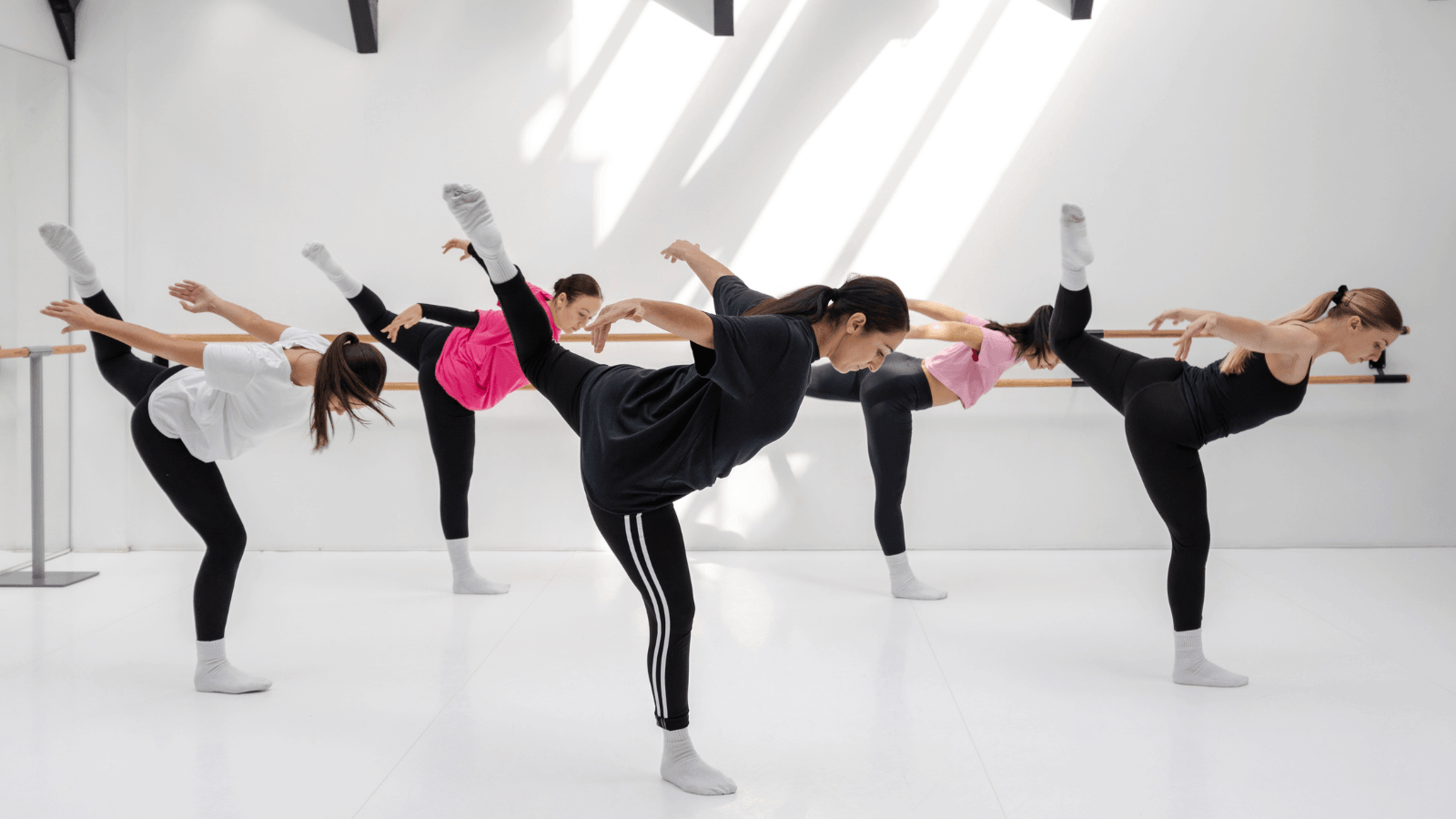
Group dance classes involve multiple students learning together under one instructor. These are the most common types of dance training offered in studios.
They are structured, social, and follow a fixed syllabus or routine.
Key Features of Group Dance Classes
- Multiple students in one class
- Fixed curriculum or syllabus
- Learning through observation and repetition
- Social interaction and group energy
- More affordable than private classes
Learning Speed: Which One Helps You Improve Faster?
This is the core question. The truth is:
Private classes usually help you learn technical skills faster, while group classes help you develop performance skills faster.
Let’s break it down.
1. Speed of Technical Learning
Private Classes (Faster for Technique)
In private classes, the instructor focuses entirely on you. This means:
- Mistakes are corrected immediately.
- You repeat movements until perfect.
- No waiting for other students
- The instructor adjusts their teaching style to your learning speed.
For example, if you struggle with a ballet turn or hip-hop isolation, the teacher will spend the entire session fixing just that.
👉 Result: Faster improvement in technique and accuracy
For example, professional dance coach Mark Morris says, “If a student can’t master a pirouette, I can dedicate the whole session to that move until they get it right.”
Group Classes (Slower for Technique)
In group classes:
- The teacher divides attention among students.
- You may repeat exercises only a limited number of times.
- Correction is less frequent.
- You keep pace with the group.
👉 Result: Slower technical mastery compared to private classes
2. Learning Choreography and Performance Skills
Group Classes (Faster for Performance Skills)
Group classes excel in teaching:
- Synchronization
- Timing with music
- Stage awareness
- Dancing in coordination with others
You constantly see other dancers, helping you pick up routines and timing. Bollywood choreographer Shiamak Davar notes, “In group classes, students learn choreography and teamwork much faster by dancing with others.”
For styles like hip-hop, Bollywood, or contemporary group choreography, this is extremely beneficial.
👉 Result: Faster learning of choreography and stage performance skills
Private Classes (Limited Performance Exposure)
In private sessions:
- You practice alone most of the time.
- No group synchronization practice
- Less exposure to stage dynamics
However, you do get detailed feedback on expression and technique.
👉 Result: Slower group performance development but strong individual expression
3. Motivation and Consistency
Group Classes (Higher Motivation for Many Students)
Group energy plays a huge role:
- You see peers improving.
- Friendly competition motivates you.
- Fixed schedules create discipline.
- Classes feel fun and social.
Many students stick with group classes longer because the atmosphere is motivating. For instance, dance teacher Mia Michaels explains, “Students are more likely to keep coming when they enjoy the group energy and friendly competition.”
Private Classes (Depends on Self-Motivation)
Private learning requires:
- Strong personal discipline
- Internal motivation
- Commitment even when no peers are present
Some students thrive in this environment, but others may lose consistency.
4. Personal Attention and Feedback
Private Classes (Maximum Attention)
This is where private classes clearly win:
- Every movement is corrected.
- Posture, timing, and expression are refined.
- Instructor tracks your progress closely.
- You get instant feedback every second.
You simply can’t get this much personal feedback in a group class. As tap dance legend Savion Glover puts it, “Private lessons let me correct the tiniest details that would be missed in a group.”
Group Classes (Limited Attention)
- A teacher cannot focus on each student individually.
- Feedback is general or delayed.
- Some mistakes may go unnoticed for longer.
However, students still learn through observation and repetition.
5. Confidence Building
Group Classes (Better for Stage Confidence)
Group classes help you:
- Dance in front of others regularly.
- Reduce stage fright
- Build comfort in social environments.
- Learn to perform as part of a team.
This is especially important for kids and beginners. Dance psychologist Dr. Peter Lovatt says, “Performing in a group helps children build confidence and social skills faster.”
Private Classes (Confidence in Skill, Not Performance)
Private classes built:
- Technical confidence
- Personal expression
- Comfort with movement
But students may feel nervous when transitioning to group performances or stage shows if they lack group exposure.
6. Learning Speed for Beginners
Private Classes (Fast Start)
Beginners often struggle with:
- Basic steps
- Rhythm
- Body coordination
Private classes fix these quickly because:
- The instructor focuses on fundamentals.
- No comparison pressure
- Learning is tailored step-by-step.
👉 Best for fast foundational learning
Group Classes (Gradual Learning)
Beginners in group classes:
- Learn at a fixed pace.
- May feel overwhelmed initially
- Benefit from watching others
👉 Best for steady, structured progression
7. Learning Speed for Kids vs Adults
Kids
- Group classes work better for social development.
- Private classes help fix weak areas faster.
- A combination is often ideal.
Adults
- Private classes help overcome stiffness or hesitation quickly.
- Group classes help reduce shyness and improve enjoyment.
- Adults often progress faster in private sessions initially.
8. Cost vs Learning Speed
Private Classes
- More expensive
- Faster individual progress
- Ideal for short-term goals (wedding dance, auditions)
Group Classes
- More affordable
- Slower technical progress
- Better long-term consistency
9. Which One is Better for Different Goals?
If Your Goal is FAST TECHNICAL IMPROVEMENT:
👉 Choose Private Dance Classes
Best for:
- Fixing technique
- Preparing for auditions
- Learning quickly for events
- Personalized coaching
If Your Goal is PERFORMANCE & STAGE CONFIDENCE:
👉 Choose Group Dance Classes
Best for:
- Stage shows
- Competitions
- Social learning
- Building confidence
If Your Goal is ALL-ROUND DEVELOPMENT:
👉 Combine both
Many professional dancers do:
- Private classes for technique
- Group classes for performance
This balanced approach is how most professionals improve fastest. Renowned dance coach Pierre Dulaine often recommends, “Use private lessons for technical growth and group classes for confidence and stage skills.”
10. Real-Life Example
Imagine two students learning hip-hop:
Student A (Private Classes)
- Learns correct posture in 2–3 sessions
- Fixes isolations quickly
- Improves technique fast
- Struggles slightly with group timing initially
Student B (Group Classes)
- Takes longer to perfect the technique
- Learns choreography faster
- Gains confidence performing with others
- Improves steadily over time
👉 Both students improve, but in unique ways. As hip-hop instructor Leslie Scott says, “Some dancers need one-on-one attention to perfect moves, while others thrive on the energy of a group.”
Final Verdict: Which is Better for Learning Faster?
The honest answer is:
- Private classes = faster technical learning
- Group classes = faster performance learning
So “faster” depends on what you mean by learning.
If your goal is precision, correction, and rapid skill development, → Private classes win
If your goal is rhythm, confidence, and stage readiness, → Group classes win.
Conclusion
Choosing between private and group dance classes is not about which one is universally better—it’s about what kind of dancer you want to become.
- Private classes give you speed in skill correction and technique.
- Group classes give you speed, performance, and rhythm.
- Combining both gives you the fastest overall growth.
The best dancers in the world don’t rely on one method—they use both strategically.
If you’re just starting, try both types of classes to see which fits you best. Your progress will grow the fastest when you’re in the right setting for your style and goals.